

lamb 101
Learn how to bring out the best in every cut of lamb—from choosing the right cooking method to finding recipes you’ll make on repeat.
Explore where each cut comes from, along with its flavor, texture, and best way to cook it.
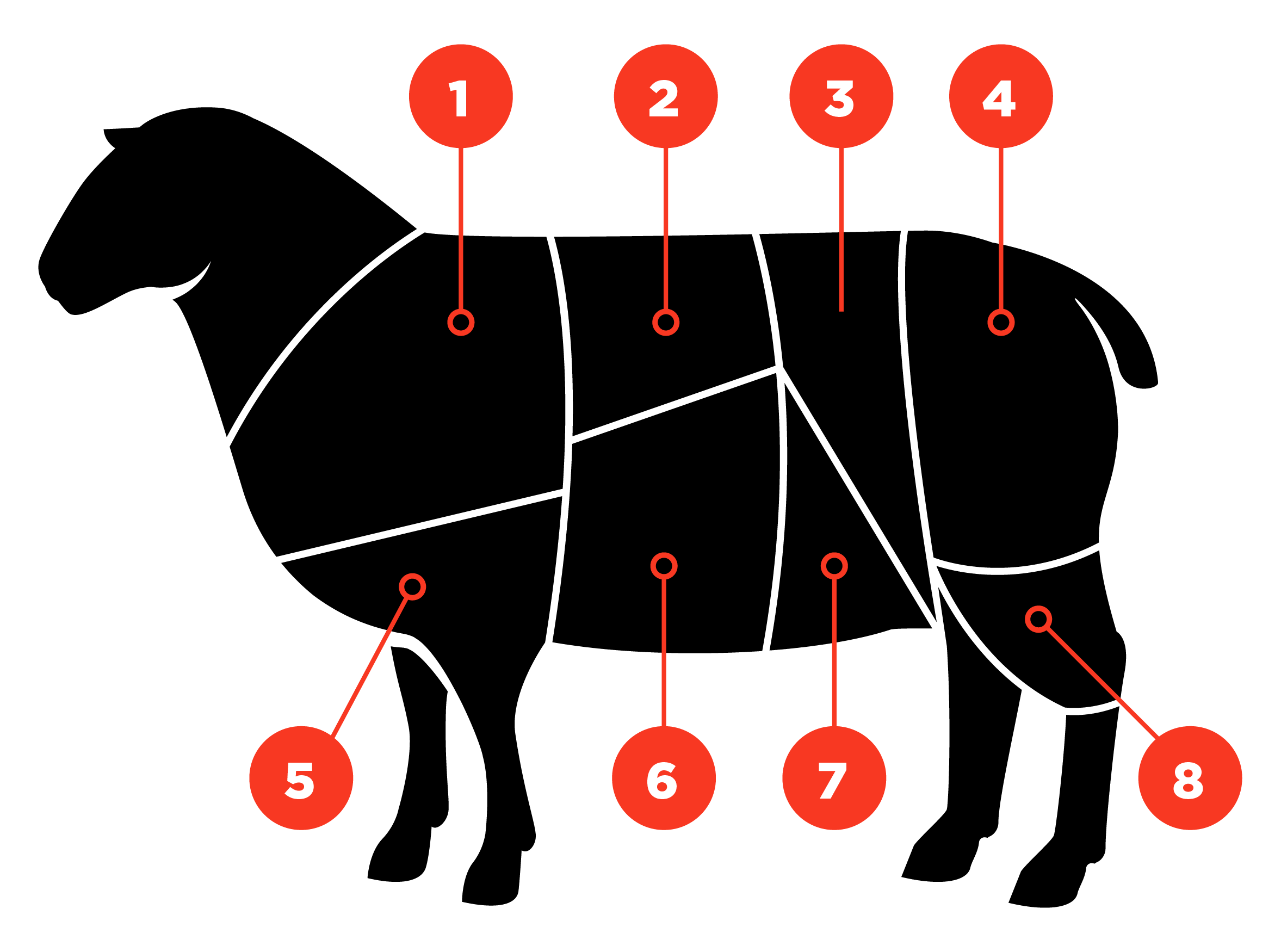
shoulder
To get the most out of its flavor, cook lamb shoulder on the bone—this will add nutrients, collagen, and complexity to your dish. It's also the best choice for grinding due to its high-fat content. Juicy, tender lamb burgers coming right up!
COOKING METHODS
Roast, Slow-Cook, Stew
RECIPES

rack
Extra tender and delicious, the rack is where you find succulent ribs and rib chops. Want to go the extra mile to wow company? Ask our butchers to tie the rack into a traditional “crown” shape.
COOKING METHODS
Grill, Pan-Fry, Roast
RECIPE
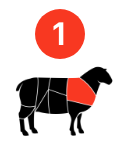
loin
One of the most prized, tender, and flavorful cuts of lamb, the loin is where you’ll find loin chops and the ultra-supple tenderloin. With its fine texture and mild flavor, this cut cooks quickly and shines with simple seasoning.
COOKING METHODS
Broil, Grill
RECIPE
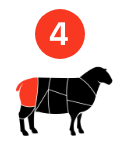
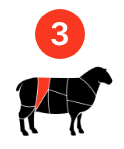
leg
Lots of muscle, so lots of flavor! Aiming to impress a crowd and leave everyone feeling full? Roast a full leg of lamb for an unforgettable entrée—available at our Butcher Shop boneless or bone-in.
COOKING METHODS
Grill, Roast
RECIPES
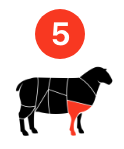
fore shank
A cost-friendly cut from the lower portion of the front leg, the fore shank is a hardworking muscle rich in connective tissue and collagen. The bone also adds richness to sauces and broths, making this cut especially rewarding for braises and stews.
COOKING METHODS
Braise, Roast, Slow-Cook
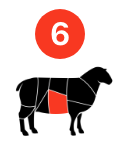
belly
Rich, flavorful, and often underrated, lamb belly or breast comes from the belly area. This cut benefits from low, slow cooking to break down its structure and unlock its full tenderness. When prepared well, it becomes incredibly succulent and deeply savory.
COOKING METHODS
Slow-Cook, Braise
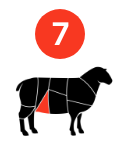
flank
Lean and flavorful, the lamb flank is taken from the underside of the animal and has a looser grain compared to other cuts. While it can be slightly tough if rushed, it shines when marinated and cooked with moist heat.
COOKING METHODS
Braise, Marinate, Grill
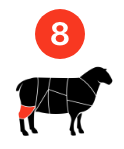
hind shank
The lower section of the animal’s hind legs. Full of muscle from constant use, it’s best to cook the hind shank slowly with low, moist heat. Braised lamb shanks are a popular dish at restaurants—when they’re done right, you get amazing tenderness.
COOKING METHODS
Braise, Roast, Slow-Cook
related content


